Why Drone Identification
Matters for Critical
Infrastructure
Why Drone Regulation Is a Game Changer for Critical Infrastructure Security
Drones are rapidly becoming part of everyday airspace. From industrial inspections to commercial services and recreational use, the number of drones operating around cities and industrial areas continues to grow. For operators of critical infrastructure such as energy facilities, ports, airports, and industrial sites, this trend creates a new and increasingly urgent security challenge: maintaining awareness of low-altitude airspace.
Without clear identification, a drone flying near sensitive infrastructure can raise immediate questions. Is it an authorized inspection? A commercial operator passing nearby? Or a potential security threat?
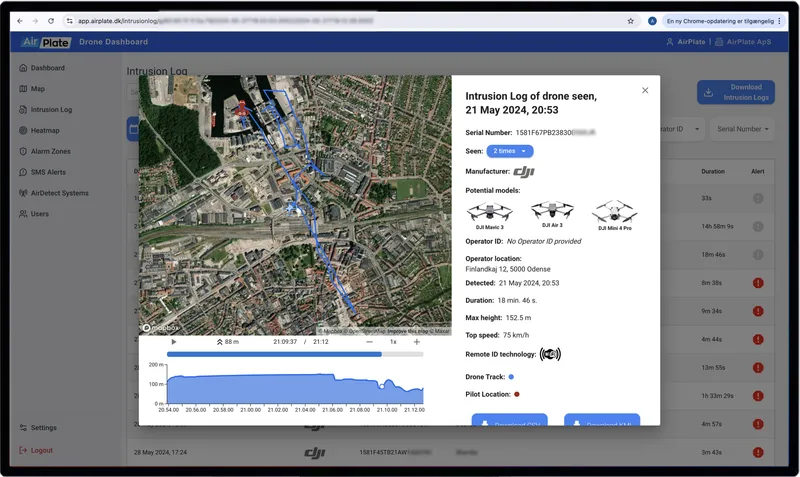
Recent drone regulations are beginning to change this dynamic. By requiring many drones to broadcast identification information during flight, authorities are creating a new level of transparency in the airspace. Instead of simply observing that a drone is present, infrastructure operators can increasingly determine what drone it is, where it is located, and where the pilot is operating from.
For security teams, this shift is significant. It allows them to move from reactive responses toward informed decision-making. Legitimate drone operations can be quickly distinguished from suspicious activity, reducing unnecessary disruption while enabling faster action when real risks emerge.
From Regulatory Transpareny to Operational Security
While regulation creates the foundation for transparency, infrastructure operators still need technology that can detect and interpret these signals in real time. AirPlate develops drone detection solutions designed specifically for this purpose. By capturing drone transmissions such as Remote ID and other drone signals, AirPlate systems allow operators to monitor drone activity around their facilities and receive immediate alerts when drones enter sensitive areas. The system provides real-time drone identification, location tracking, and pilot position information, giving security teams the situational awareness needed to respond effectively. Combined with intuitive monitoring software, operators gain a clear and centralized overview of drone activity around their sites.
As drones become a permanent part of modern airspace, the ability to understand what is happening above critical infrastructure will become an essential layer of security. Regulation is creating the transparency needed to support this shift - and technologies like AirPlate help translate that transparency into practical protection for the environments that matter most.
More Articles
AirPlate x Precision Technic Defence GmbH
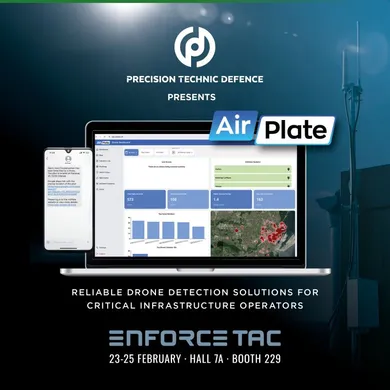
AirPlate is proud to announce our participation at Enforce Tac 2026 in partnership with Precision Technic Defence GmbH - a market leader in modern defense technology designed to protect secure and stable societies, safeguarding their citizens and infrastructure against military threats, natural disasters, accidents, and acts of terrorism.
AirPlate Celebrates 3 Years
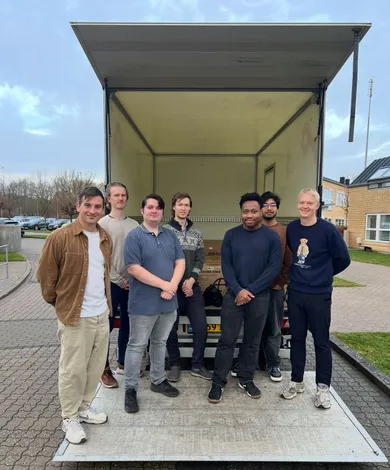
As AirPlate celebrates its 3rd anniversary, we mark a major milestone: achieving our first profitable year driven entirely by sales revenue.